
The History of Fun in Newport Beach
From Red Car weekends and big band dances to Bal Week mayhem, surf rock, and late-night piano bars, Newport built a reputation as Orange County’s most energetic playground.
Newport Beach didn’t become “fun” by accident—it was engineered by access, amplified by music, and kept alive by a steady stream of visitors who came looking for a good time (and often found more than they expected).
How Newport opened up to the crowds
In the early 1900s, the Balboa Peninsula was still quiet compared to what it would become. That changed when Pacific Electric rail lines helped turn a far-off stretch of coast into an easy weekend destination.
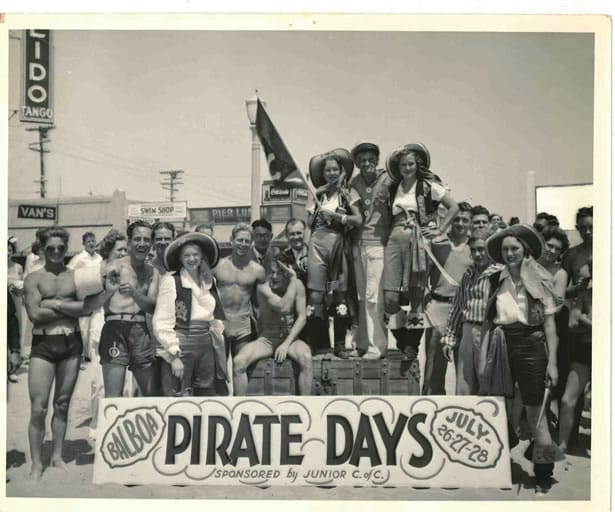
Bal Week: the annual pressure-release valve
By the 1930s, Newport had a spring tradition that locals understood as equal parts entertainment and invasion.
Want the richer stories—the people, places, and moments that don’t show up in a quick search?
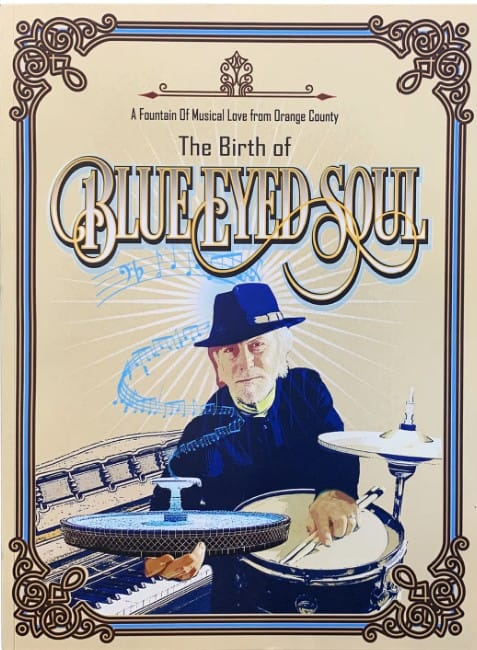
The Birth of Blue-Eyed Soul
A beautifully illustrated look back at music, memory, and Orange County life.
Learn more about the bookGlamour on the surface, shadows underneath
Newport also offered something Hollywood valued deeply: distance from scrutiny. Actors, musicians, and industry figures could drink, socialize, and disappear for a while without the constant pressure of studio eyes. The town’s mix of discretion and indulgence made it a convenient refuge.
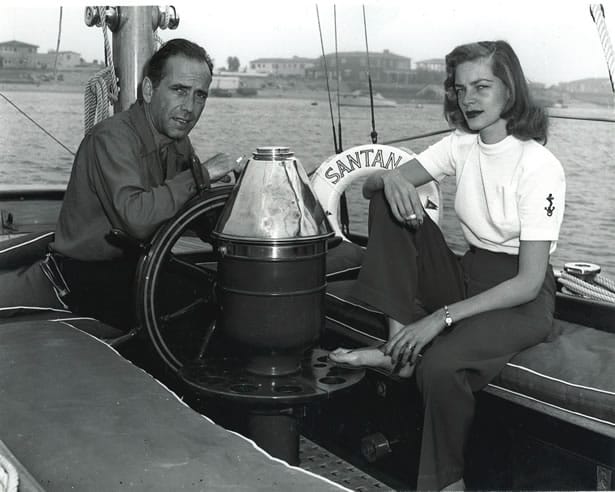
That privacy, however, came with a parallel nightlife that thrived after dark. Dimly lit clubs, piano bars, and venues with flexible interpretations of closing hours helped Newport earn a reputation that traveled well beyond Orange County. Some establishments leaned elegant. Others leaned questionable. Together, they reinforced the same idea: Newport was where rules bent.
When the music got louder, the crowds got rowdier
As musical tastes shifted, Newport’s soundtrack evolved with them. Folk and blues rooms added a bohemian layer to the peninsula’s personality. Then surf rock arrived, and the town’s energy surged. Amplified guitars, packed dance floors, and youth culture pushed long-standing traditions like Bal Week into overdrive.
By the mid-1960s, patience wore thin. Arrest numbers rose. Noise complaints multiplied. What had once been tolerated as seasonal chaos began to feel permanent. Newport didn’t stop being fun—it started managing fun.
After-hours Newport in the later decades
Even as the wildest years faded, nightlife never disappeared. It adapted. Different neighborhoods developed their own rhythms, and entertainment migrated with the times—sometimes closer to the water, sometimes inland, sometimes into rooms that felt unchanged for decades.
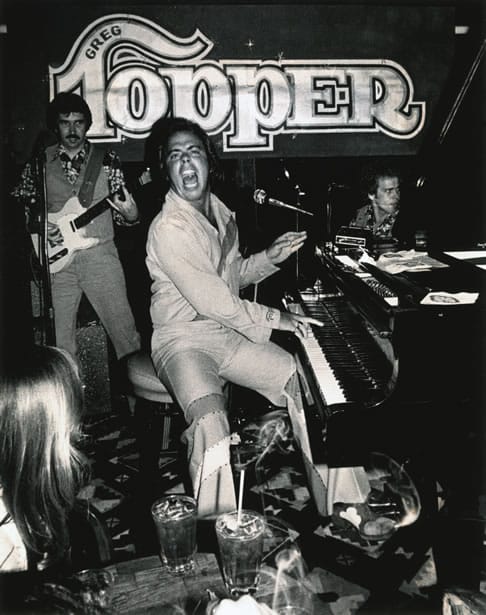
Through performers like Greg Topper and a rotating cast of musicians, Newport retained its pulse. The city grew more polished and more regulated, but music and late nights remained part of its identity—even if they looked different than before.
What the “party town” era left behind
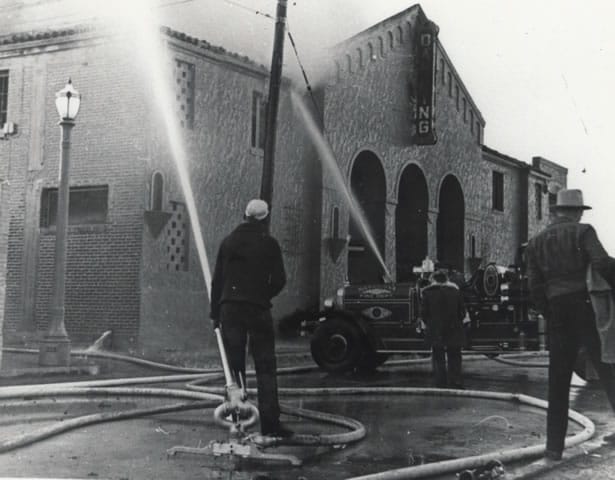
Newport Beach today presents a calmer image, but the past is still embedded in the landscape. It lives in the peninsula’s layout, in archival photographs, and in stories shared by people who remember when weekends meant packed streets, loud music, and very little sleep.
The town’s reputation as a playground wasn’t accidental. It was built, managed, challenged, and reshaped over decades. What remains is a layered history—one where fun was both a business strategy and a cultural force.
To explore more stories from Newport Beach’s cultural past, visit Tracy’s homepage or browse the Book Reviews for deeper dives into Orange County history.