
The Rendezvous Ballroom and the Music of Early Newport Beach
A coastal ballroom, a generation of musicians, and a brief but powerful era that shaped the musical identity of Newport Beach and Orange County.
Newport Beach didn’t simply host music — it helped shape it. Few places embody that legacy more clearly than the Rendezvous Ballroom in Balboa, a venue whose influence stretched from big band swing to surf rock and beyond.
The Ballroom by the Ocean
Originally constructed in 1928 and rebuilt larger in 1935 after a devastating fire, the Rendezvous Ballroom stood directly along the Balboa Peninsula, facing the Pacific Ocean. By the late 1930s it was already being celebrated as a premier West Coast dance destination, earning the nickname “the queen of swing.”
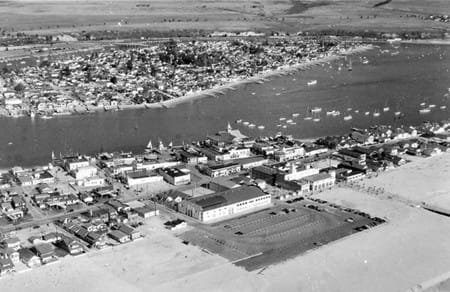
Inside, a massive 12,000-square-foot dance floor could accommodate roughly 1,500 couples at once. Over the decades, the room evolved with the times, hosting big band orchestras, early rhythm and blues, rock and roll, and eventually the high-energy surf music that would define Southern California youth culture.
The venues tell part of the story. The people and moments tell the rest.
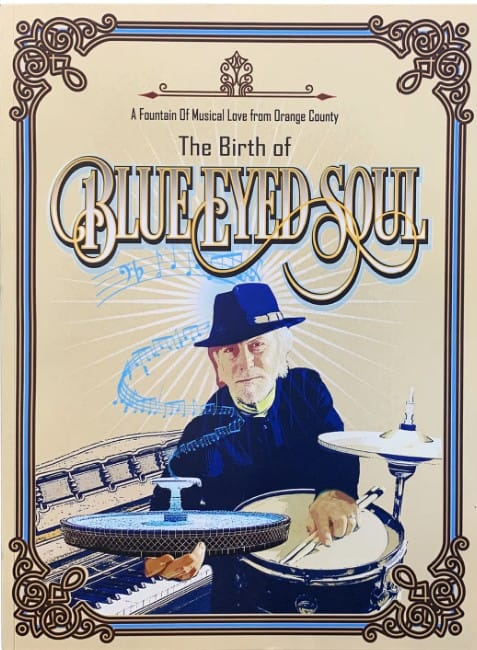
The Birth of Blue-Eyed Soul
A richly illustrated exploration of music, memory, and life in Orange County during a transformative era.
Learn moreA Hub in a Growing Musical Network
By the early 1960s, the Rendezvous had become the centerpiece of a wider Orange County club circuit that included venues in Seal Beach, Huntington Beach, Anaheim, and beyond. Musicians moved freely between these rooms, building reputations night by night and learning their craft in front of live audiences rather than studio walls.
This local ecosystem mattered. The proximity of schools, beaches, and performance spaces meant musicians frequently crossed paths, shared stages, and absorbed influences quickly. The result was a tight-knit scene that felt both competitive and collaborative.
The Chancellors and the Local Sound
Among the many groups to pass through the Rendezvous were the Chancellors, an early surf band featuring musician and producer Tom Potts. Growing up in Orange County, Potts first experienced the ballroom as a fan before eventually performing there himself — a path shared by many local musicians of the era.
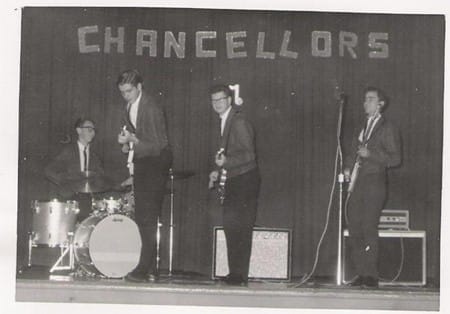
The Chancellors were part of a broader wave of surf-influenced groups whose sound reflected Southern California life: fast guitars, driving rhythms, and melodies that echoed car culture and coastal freedom.
From Surf Rock to Lasting Influence
Although surf music burned brightly for only a few years, its impact reached far beyond that window. Groups like the Righteous Brothers emerged from the same local environment, moving from regional popularity to international success while still carrying the imprint of their Orange County roots.
When the British Invasion reshaped popular music in the mid-1960s, the local scene shifted again. Styles changed, venues disappeared, and the Rendezvous itself was lost to fire in 1966.
Remembering What Was Built
Today, the Rendezvous Ballroom exists only in photographs, memories, and stories, but its role in shaping Newport Beach’s musical history remains undeniable.
To explore more stories from this era, visit Tracy’s homepage or browse the Book Reviews.